On paper, Maya looked fine. Mid-career designer, reliable teammate, pleasant in meetings. Inside, she felt like a tight wire. By Thursday afternoons her jaw ached from clenching. She reworked emails before sending, cut jokes she knew were funny, and matched colleagues’ eye contact counts like a metronome. Evenings were a blur of scrolling with the lights dimmed, a long shower to wash off the day, then guilt because the dishes still waited. When we met, she described her week as a script she performed convincingly, then crashed hard. She wasn’t depressed. She was exhausted from masking.
Masking means using conscious strategies to hide or override natural neurodivergent traits in order to pass as typical. Many autistic and ADHD adults learn to mask early, whether through survival, social learning, or years of feedback that certain behaviors are not acceptable. It can look like monitoring one’s face and tone, forcing stillness, echoing small talk patterns, or suppressing stimming in public. It may also mean working twice as hard to plan, organize, and self-edit so lapses go unnoticed. For a while, this can pay off. People may praise the poise and polish. Over time, the cost accumulates.
Clinicians use different language for the fallout. Autistic burnout, masking fatigue, rejection sensitive spirals, complex stress reactions. The label matters less than the pattern. The nervous system is operating under constant demand without sufficient recovery. For many clients, therapy is the first place they can unmask in real time, experiment with authenticity, and rebuild a way of living that is sustainable.
The hidden cost of keeping it all together
Masking uses working memory and vigilance. Picture a browser with too many tabs, each monitoring a social rule or sensory variable. If you also have to complete tasks, shift attention quickly, or manage loud spaces, the system saturates. People describe memory glitches, irritability, and a curious phenomenon where words vanish mid-sentence. Executive function frays. Sleep becomes light or fragmented. Pain sensitivity can spike. Appetite swings between forgetting to eat and urgent cravings.
The social cost is complicated. Masking can protect against discrimination. It can also lead to chronic loneliness because others do not see the real person. Workplaces reward the behavior while failing to fund the recovery time. Family members can misinterpret the after-hours crash as laziness or detachment. Over months and years, many people acquire trauma-like symptoms, not necessarily from a single event but from repeated micro-stressors without repair, including criticism for traits that are core to identity.
Here is a concise checklist that clients often recognize when masking fatigue is part of the picture:
- You feel more drained after social or collaborative tasks than after solo work requiring the same effort. Relaxing takes several hours and involves decompressing rituals before you can enjoy hobbies or conversation. You edit yourself in real time and later replay interactions for mistakes or odd moments. Your symptoms ebb and flow in predictable cycles tied to sensory load, menstruation, or change at work or home. Time off helps briefly, then the same pattern returns as soon as demands resume.
Masks are not inherently bad. In some settings, they are necessary armor. The therapy task is to help you choose when and how to use them, and to build a life where they are not required all day, every day.
What a neurodivergent-affirming approach looks like
Neurodivergent therapy is less about fixing traits and more about designing a life that works with your brain. In session, I track arousal levels and sensory needs, not just thoughts and feelings. If a client speaks more fluidly while pacing or fidgeting, we integrate that. If eye contact increases effort, we adjust the seating so we are side by side. We avoid pathologizing interests and routines that bring stability. We name the skill under the strategy. For example, scripting is planning, not deceit; stimming is regulation, not misbehavior.
Assessment focuses on patterns over time, across settings, and under varying loads. I routinely consider co-occurring conditions, including OCD, anxiety disorders, mood disorders, and trauma-related diagnoses. Many autistic and ADHD adults have histories of misdiagnosis, especially women and nonbinary clients whose profiles differ from traditional research samples. Good differential work can take a few sessions and may involve standardized measures or collaboration with a psychological tester. Accuracy matters because it changes the plan. A panic loop needs different tools than a sensory overwhelm cycle. Depression that stems from chronic masking lifts when load reduces; depression with a seasonal pattern requires a different lens.
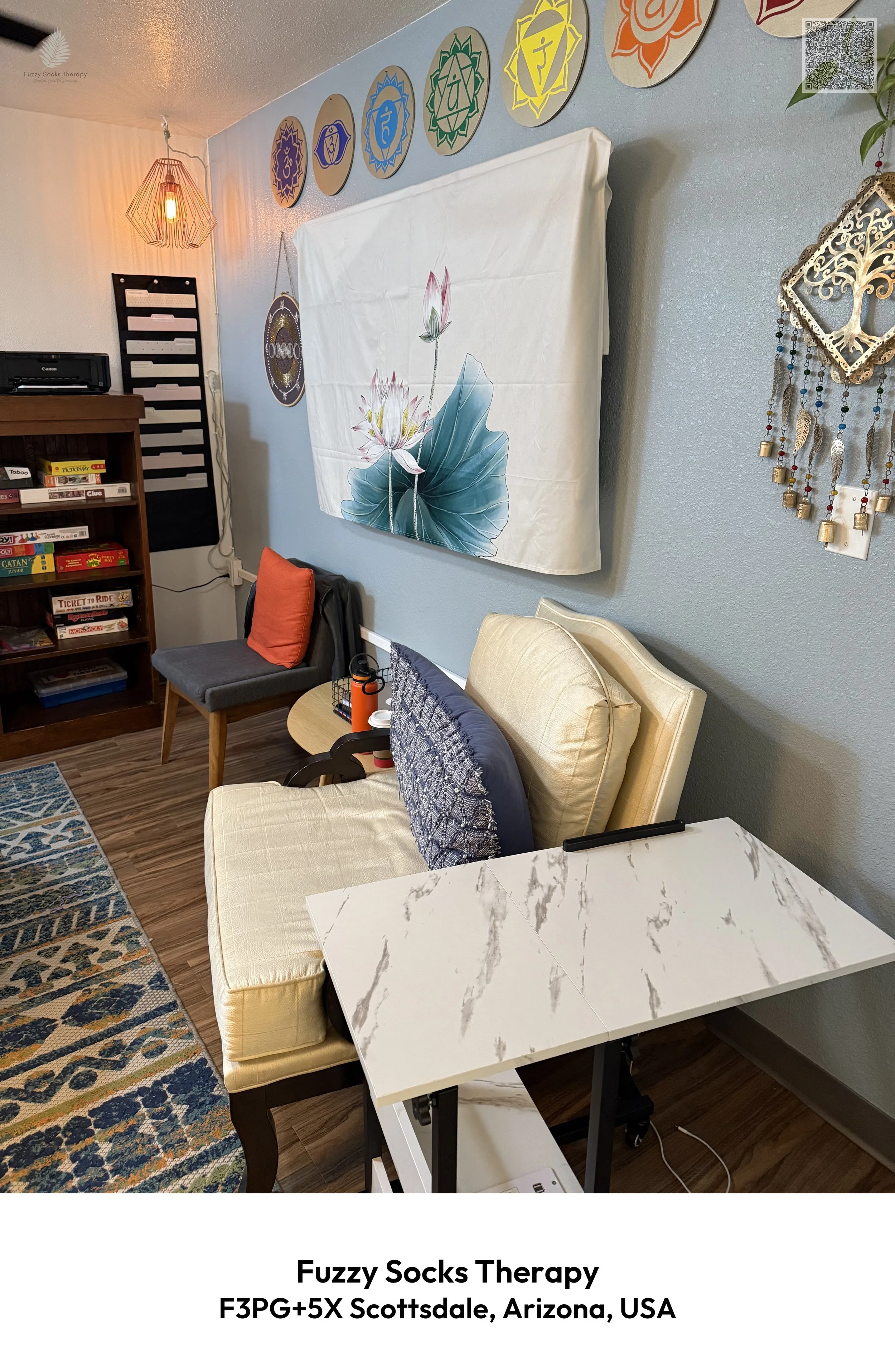
Neurodivergent-affirming therapy also asks the room to be accessible. We schedule at times that respect client energy curves. Sessions may run shorter or longer based on processing needs. Clients can bring notes or visual supports without apology. Telehealth can be a better fit for some, sparing the commute and waiting room stress. These are not luxuries. They are part of the clinical intervention.
Trauma therapy without erasing identity
Trauma therapy can be a strong fit when someone’s nervous system stays braced even in safe conditions, or when memories of humiliation, restraint, or punishment resurface around school or family stories. We craft plans that treat traumatic learning while honoring neurotype. A child who was forced to sit on their hands to stop stimming may carry that into adulthood. An employee who endured years of performance improvement plans for missed deadlines may flinch at feedback even from a kind supervisor.
EMDR therapy, when adapted well, can help process these experiences. The bilateral stimulation options can be tailored to sensory preferences. A client might prefer slow tapping with their own hands, or visual movements kept within a comfortable range. We avoid pushing pace just because a protocol suggests it. Target selection can include not only single incidents but also chains of micro-events, like weekly comments about tone or eye contact. The goal is https://jsbin.com/talediyaqi not to remove sensitivity. It is to separate past threat from present context so the body does not brace at every email notification.
Caution is key. Pushing exposure or cognitive restructuring that encourages more masking can worsen fatigue. I work with clients to identify which adaptations are protective and which are costing more than they offer. We replace maladaptive camouflage with boundaries, accommodations, and relational agreements, not with stoicism.
Couples work when one or both partners are neurodivergent
Masking fatigue often shows up at home because the mask finally comes off. Partners can misread that drop as disinterest. Couples therapy helps translate. We map each person’s sensory profile, communication style, and decompression needs. We agree on signals that prevent escalation. Many couples benefit from small, predictable rituals that reduce invisible labor. For example, one pair set a 15 minute reconnection after work with lights low and no problem solving. Only after that did they handle logistics. Another pair created a visible task board so late stage ADHD urgency did not collide with a partner’s need for steady pacing.
The work is practical. We rewrite rules around chores, money, intimacy, and family that fit both nervous systems. We use time-blocking or body-doubling for shared tasks. We design fights that do not require rapid processing; this might include writing during a pause, or a rule that either person can call a break without penalty. The point is not to flatten differences. It is to protect the relationship from the worst of the fatigue while inviting each person to be seen as they are.
Child therapy and early support without shame
When I work with children, I think in layers. First, make the environment kinder to the child’s brain. Then teach the adults surrounding the child how to read signals and offer co-regulation. Only then add skills. Play-based child therapy can help kids explore identity, practice flexible thinking, and try self-advocacy scripts in low stakes ways. Parent sessions matter just as much. Families learn to separate willful defiance from overwhelm, to replace punishment with structure and choice, and to frame accommodations as tools, not crutches.
A seven-year-old who paces while listening is not being rude. A nine-year-old who brings headphones to recess is not isolating but preserving energy for class. Early shame about these behaviors predicts later masking. We can prevent that story by teaching peers and teachers what regulation looks like for different brains. In schools, occupational therapy consults can adjust sensory rooms. Classroom plans can include flexible seating, explicit transitions, and breaks that are not tied to behavior charts. Child therapy doesn’t just build coping skills in the kid. It expands the adults’ repertoire so the child does not have to carry the whole adaptation load.
The workplace lens: accommodations that actually work
In professional settings, masking often makes an employee appear uniformly capable, which obscures the variability that is normal for them. The result is over-promise, heroic sprints, and quiet recoveries that look like procrastination. If you are in this loop, therapy helps you name and negotiate what you truly need to deliver reliable output.
Common accommodations that reduce masking load include clear written expectations, access to quiet space or noise control, predictable meeting schedules, fewer drop-in requests, and permission to communicate in writing for complex topics. Some clients thrive with a project manager who helps structure tasks. Others prefer a weekly summary email that replaces ad hoc pings. Legal frameworks vary by region, and not everyone chooses to disclose. In therapy, we can draft scripts that protect privacy while asserting needs. We also examine career fit. Some roles reward neurodivergent strengths and allow more recovery time between performances. It is not failure to pivot.
I encourage clients to track objective metrics for a quarter after changes. Look at missed deadlines, error rates, and hours to complete tasks, not just how it feels. Managers respond to data. Employees feel validated by evidence that lower masking demand often correlates with better output.
Identity, values, and the slow work of unmasking
When someone has masked since childhood, authenticity can feel risky even in safe spaces. They may fear disappointing others or losing competence. Therapy moves at the pace of trust. We start with micro-unmasking. Let your voice inflect naturally. Stop smiling to ease others if it tightens your chest. Allow a stim in session and notice what it does to your breathing.
Alongside the body work, we explore values. What matters so much that you are willing to look different while doing it. For Maya, creativity and fairness topped the list. That guided her choices. She decided to be open about needing headphones during design sprints and asked for agendas in advance. She also began to speak up when sudden scope changes would lead to weekend work. The words were simple. The shift was not. She expected backlash. Instead, colleagues mirrored her clarity. Her weekly crash softened from two nights to one, then to an hour-long ritual with music and tea before she could engage with her partner.
Unmasking does not mean telling every truth without filter. It means that the strategies you use to navigate are congruent with who you are. Some masks become tools you keep. Others fall away.
The body is part of the treatment plan
Masking is embodied. So is relief. We work with interoception, the ability to detect internal sensations like hunger, tension, and fatigue. Many neurodivergent clients have learned to override these cues to meet external expectations. In therapy, we practice noticing early signals. Tight calves might mean sensory load is climbing. A dry mouth might predict social hangover. We pair this awareness with small interventions. Sips of water during a meeting, three-minute eye rest between tasks, ten seconds of pressure on the palms.
Sensory diets are not just for kids. Adults benefit from planned input that regulates rather than distracts. This might be deep pressure through weighted blankets, vestibular input like gentle rocking, or proprioceptive movement such as slow wall push-ups. The right mix is personal and often seasonal. Summer crowds and heat change the equation. So does menstrual cycle phase. Data helps. A simple daily rating of energy, sound tolerance, and irritability over a month can reveal patterns that guide scheduling.
When trauma therapy and EMDR therapy make sense
I raise the possibility of trauma therapy when clients describe persistent shame responses, startle at benign cues tied to school or family memories, or experience dissociation under performance pressure. Trauma therapy builds safety first, then gradually engages old material. EMDR therapy can be part of this work if we adapt for pace, structure, and sensory needs. We may spend multiple sessions resourcing before ever touching a target, using bilateral stimulation to reinforce feelings of competence and belonging. When we do process, we keep sessions within window of tolerance, even if that means shorter sets or pausing often.
I watch for the temptation to pathologize difference. Not every painful school memory is trauma. Not every shutdown is dissociation. Careful titration avoids retraumatization. The best sign we are on track is not that you can talk about the past without emotion. It is that your present day choices feel freer and your body recovers faster after stress.
A practical therapy roadmap for the first three months
- Week 1 to 2: Map your energy and masking patterns, identify non-negotiable supports, and adjust session format for access. Week 3 to 4: Trial small workplace or home accommodations, build a decompression ritual, and establish communication signals with key people. Week 5 to 8: Add body-based regulation, begin values work, and, if relevant, start gentle trauma therapy resourcing or EMDR preparation. Week 9 to 10: Evaluate data on output and wellbeing, refine accommodations, and practice micro-unmasking in one chosen context. Week 11 to 12: Consolidate gains, plan for predictable stressors like travel or deadlines, and decide on next phase goals.
This sequence is not mandatory. Some clients need faster structural change before internal work. Others start with safety and identity, then touch the world outside.
Edge cases, trade-offs, and lived reality
I have worked with executives who present as socially fluent and only notice strain when a promotion brings relentless meetings. Their masking was manageable at three hours a day, not at eight. Changing roles inside the company, not leaving it, solved the problem. I have also seen artists who mask only in family settings where traditions require performances they cannot sustain. Therapy in those cases is less about skill and more about grief, boundary setting, and sometimes estrangement.
Cultural context matters. In some communities, direct disclosure about neurodivergence feels unsafe or risks real consequences. We can still build a life around authenticity without labels, using functional language like focus needs, sensory balance, or recovery time. Gender plays a role too. Many women and nonbinary folks learned to be pleasing as protection. Unmasking can tangle with feminist anger, caregiving expectations, and fear of being called difficult. The therapy room must welcome all of that.
Financial and access realities shape choices. Not everyone can reduce hours or change jobs immediately. We hunt for leverage points that cost little: lighting, headphones, meeting formats, scripting difficult conversations. Couples therapy may not be affordable weekly, so we schedule monthly and focus on experiments between sessions. If insurance requires a diagnosis, we document with integrity and also write letters that explain accommodations in functional terms.
Choosing a therapist who gets it
Competence in neurodivergent therapy shows up in small ways. Intake forms ask about sensory preferences and communication styles. The clinician offers options for pacing and format without making you ask. Their language avoids deficit framing. They can articulate the boundary between changing the world around you and changing you. If they also practice trauma therapy or EMDR therapy, ask how they adapt protocols for neurodivergent clients. If you are seeking couples therapy, look for someone who understands neurodivergent dynamics so sessions do not become lectures about normal communication styles. For children, ask whether child therapy includes parent coaching and school collaboration.
Trust your signals in the first meeting. If you feel you are performing for the therapist, tell them. If they respond with curiosity and adjustment, that is a good sign. If they double down on posture and eye contact, keep looking.
Measuring progress without turning life into a project
Data helps, but it can become another mask. I encourage light tracking of two to four variables for a defined period. Energy after work, frequency of shutdowns, hours of sleep, and the number of times you catch yourself people-pleasing are common picks. We celebrate directional shifts, not perfection. Some weeks are just hard. Holidays, illness, and change will spike load. The long arc matters. Do you have more days where you feel at home in your body. Are you less surprised by crashes. Do you recover faster.
Clients often report unexpected benefits. Friendships deepen because they make space for difference. Creative work returns when perfectionism loosens. Children become less rigid when family rhythms fit their needs. None of this requires erasing who you are.
Living authentically without burning out
Maya did not quit her job or announce a new identity to the team. She changed a few rhythms and let herself be seen by people she trusted. She paused before answering, even in meetings, so she could choose words that fit her, not the expected cadence. She stimmed discreetly during calls and realized it improved her listening. She and her partner adjusted evenings so the first thirty minutes were off limits to requests. On hard weeks, she still felt the edge of burnout, but it no longer swallowed the whole weekend.
Living authentically is not a finish line. It is a practice of consent with yourself. You get to decide when to mask and when to drop it. You get to invest in relationships and environments that meet you halfway. Neurodivergent therapy, whether grounded in trauma therapy, EMDR therapy, couples work, or child therapy principles adapted for family systems, offers tools and language for that practice. The work is steady, specific, and personal. The payoff is real: a life that fits from the inside.
Address: 3295 N. Drinkwater Blvd., Suite 10, Scottsdale, AZ 85251
Phone: (720) 378-8454
Website: https://www.fuzzysockstherapy.com/
Email: [email protected]
Hours:
Monday: 9:00 AM - 5:00 PM
Tuesday: 9:00 AM - 5:00 PM
Wednesday: 9:00 AM - 5:00 PM
Thursday: 9:00 AM - 5:00 PM
Friday: 9:00 AM - 5:00 PM
Saturday: Closed
Sunday: Closed
Open-location code (plus code): F3PG+5X Scottsdale, Arizona, USA
Map/listing URL: https://maps.app.goo.gl/cqhwvXU4UMg6QL1YA
Embed iframe:
The practice offers in-person therapy in Scottsdale along with online sessions for clients in Arizona, Colorado, and Florida.
Clients can explore services such as trauma therapy, EMDR therapy, Deep Brain Reorienting Therapy, neurodivergent therapy, child therapy, couples therapy, discernment counseling, and parenting intensives.
Fuzzy Socks Therapy is especially relevant for people navigating trauma, dysfunctional family dynamics, ADHD, autism, relationship conflict, and emotional overwhelm.
The website presents a direct, practical therapy style focused on real tools and meaningful change rather than vague advice.
Scottsdale clients looking for trauma-informed psychotherapy can find support that combines deeper healing work with concrete skill building.
The practice also offers help for adult children of dysfunctional families, couples on the brink, and neurodivergent kids, teens, and adults.
To get started, call (720) 378-8454 or visit https://www.fuzzysockstherapy.com/ to book a free consultation.
A public Google Maps listing is also available for Scottsdale location reference alongside the official website.
Popular Questions About Fuzzy Socks Therapy
What does Fuzzy Socks Therapy help with?
Fuzzy Socks Therapy helps with trauma, dysfunctional family patterns, neurodivergence, relationship conflict, emotional overwhelm, and related challenges for individuals, couples, and families.
Is Fuzzy Socks Therapy located in Scottsdale, AZ?
Yes. The official website lists the office at 3295 N. Drinkwater Blvd., Suite 10, Scottsdale, AZ 85251.
Does Fuzzy Socks Therapy offer in-person and online sessions?
Yes. The official site says the practice offers in-person therapy in Scottsdale and online therapy in Arizona, Colorado, and Florida.
What therapy approaches are listed on the website?
The website highlights EMDR therapy, Deep Brain Reorienting Therapy, discernment counseling, play therapy, Dialectical Behavior Therapy, Emotionally Focused Therapy, and practical trauma-informed skill building.
Who provides therapy at Fuzzy Socks Therapy?
The official website identifies the therapist as Lianna Purjes.
Does the practice offer couples counseling?
Yes. The website includes couples therapy, couples intensives, and discernment counseling for couples deciding whether to stay together or separate.
Does the practice work with children and adolescents?
Yes. The site says the practice offers child therapy and support for children, adolescents, and their families.
How can I contact Fuzzy Socks Therapy?
Phone: (720) 378-8454
Email: [email protected]
Website: https://www.fuzzysockstherapy.com/
Landmarks Near Scottsdale, AZ
Drinkwater Boulevard is the clearest local reference point for this office and helps nearby clients place the practice in Scottsdale. Visit https://www.fuzzysockstherapy.com/ for service details.
Old Town Scottsdale is a familiar city landmark and a practical reference for people searching for therapy near central Scottsdale. Call (720) 378-8454 to learn more.
Scottsdale Civic Center is another recognizable local landmark that helps define the surrounding area for nearby professional services. The official website has current contact details.
Scottsdale Stadium is a well-known destination in the city and a useful point of reference for local users. Fuzzy Socks Therapy offers both in-person and online sessions.
Indian School Road is a major corridor that helps many residents orient themselves in Scottsdale. More information is available at https://www.fuzzysockstherapy.com/.
Fashion Square and the surrounding central Scottsdale area are widely recognized by local residents and visitors alike. Reach out through the website to book a free consultation.
Downtown Scottsdale is a strong local search reference for people seeking counseling and psychotherapy services in the area. The practice serves Scottsdale in person and multiple states online.
Scottsdale Road is another major route that helps define the broader service area for clients traveling from nearby neighborhoods. The practice supports individuals, couples, and families.
The Scottsdale arts and civic district is a useful area reference for those familiar with the city center. Visit the site to review specialties and next steps.
Central Scottsdale commuter corridors make this practice relevant for nearby residents who want in-person therapy, while online sessions add flexibility for clients in Arizona, Colorado, and Florida.